在工業生產、市政工程、管道輸送等各類場景中,閥門作為控制介質流動的核心部件,其選型的精準度直接關系到整個系統的穩定運行、安全保障與運營成本。但據行業調研數據顯示,約60%的采購者在購買閥門時,都會陷入“只報口徑”的選型誤區——僅告知廠家“要一臺DN100的閥門”,卻忽略了工況、介質、壓力等核心信息,最終導致買回來的閥門要么安裝不合適、無法正常使用,要么運行中頻繁出現泄漏、卡頓、損壞等問題,據統計,這類選型失誤導致的返工、更換成本,平均增加采購預算30%以上,不僅延誤工期,還造成不必要的經濟浪費。今天,我們就結合實操經驗,詳解除了口徑之外,采購閥門必須明確的6個關鍵信息,幫采購者避開選型誤區,讓廠家精準匹配需求,買對閥門不踩坑。
In various scenarios such as industrial production, municipal engineering, and pipeline transportation, valves are the core components for controlling the flow of media. The accuracy of their selection directly affects the stable operation, safety assurance, and operating costs of the entire system. However, according to industry research data, about 60% of buyers fall into the selection error of "only reporting the diameter" when purchasing valves - only informing the manufacturer that they "want a DN100 valve", but ignoring core information such as operating conditions, media, pressure, etc., ultimately resulting in the purchased valves being either installed improperly, unable to function properly, or frequently experiencing leakage, jamming, damage and other problems during operation. According to statistics, the rework and replacement costs caused by such selection errors increase the procurement budget by an average of more than 30%, not only delaying the construction period, but also causing unnecessary economic waste. Today, based on practical experience, we will explain in detail the six key information that must be clearly defined when purchasing valves, in addition to the caliber. This will help buyers avoid selection errors, enable manufacturers to accurately match their needs, and avoid pitfalls when buying the right valve.
很多采購者誤以為“口徑決定一切”,實則不然。閥門的選型是一個系統性工程,口徑只是基礎參數,介質、溫度、壓力、流量等關鍵信息,直接決定閥門的材質、結構、類型選型,一旦缺失,廠家無法精準判斷,只能按常規型號推薦,大概率無法適配實際工況。尤其對于工業場景中的特殊工況,選型失誤還可能引發安全隱患,因此,采購閥門時,除了明確口徑(如DN100、DN80等),務必完整告知廠家以下6個關鍵信息。
Many buyers mistakenly believe that 'caliber determines everything', but in fact it is not. The selection of valves is a systematic project, and the diameter is only the basic parameter. Key information such as medium, temperature, pressure, and flow rate directly determine the material, structure, and type selection of valves. Once missing, manufacturers cannot make accurate judgments and can only recommend conventional models, which is likely to be unable to adapt to actual working conditions. Especially for special working conditions in industrial scenarios, selection errors may also cause safety hazards. Therefore, when purchasing valves, in addition to specifying the diameter (such as DN100, DN80, etc.), it is necessary to fully inform the manufacturer of the following six key information.
第一,明確管道介質類型,這是閥門選型的核心前提。管道內輸送的介質不同,閥門的閥體材質、密封材料、結構形式都會有本質區別——介質是清水、蒸汽、氣體,還是腐蝕性液體(如酸堿溶液),直接決定了閥門材質的選擇:普通清水可選用鑄鐵閥門,蒸汽工況需選用耐高溫不銹鋼閥門,腐蝕性介質則需選用襯氟、哈氏合金等耐腐蝕材質閥門。若未明確介質,選用普通材質閥門,極易出現閥體腐蝕、密封失效等問題,縮短閥門使用壽命,甚至引發介質泄漏。
Firstly, clarifying the type of pipeline medium is the core prerequisite for valve selection. The material, sealing material, and structural form of the valve body will have essential differences depending on the medium transported in the pipeline - whether the medium is clean water, steam, gas, or corrosive liquids (such as acid-base solutions), directly determines the choice of valve material: cast iron valves can be used for ordinary clean water, high-temperature resistant stainless steel valves should be used for steam conditions, and corrosion-resistant materials such as fluorine lining and Hastelloy alloy valves should be used for corrosive media. If the medium is not specified and ordinary material valves are used, problems such as valve body corrosion and sealing failure are prone to occur, shortening the service life of the valve and even causing medium leakage.
第二,明確工作溫度與壓力參數,這是保障閥門長期穩定運行的關鍵。需明確閥門的工作溫度范圍(是高溫、低溫,還是常溫)、工作壓力等級(是高壓、常壓,還是真空),這兩個參數直接決定閥門的壓力等級(如PN16、PN25)和材質耐受范圍。例如,高溫蒸汽工況(溫度≥200℃)需選用耐高溫密封材料和閥體材質,高壓工況(壓力≥1.6MPa)需選用加厚閥體結構,若參數不明確,閥門密封件易老化、閥體易變形,無法長期穩定工作。
Secondly, clarifying the working temperature and pressure parameters is the key to ensuring the long-term stable operation of the valve. It is necessary to clarify the working temperature range (high temperature, low temperature, or room temperature) and working pressure rating (high pressure, normal pressure, or vacuum) of the valve. These two parameters directly determine the pressure rating (such as PN16, PN25) and material tolerance range of the valve. For example, high-temperature steam conditions (temperature ≥ 200 ℃) require the use of high-temperature resistant sealing materials and valve body materials, while high-pressure conditions (pressure ≥ 1.6MPa) require the use of thickened valve body structures. If the parameters are not clear, valve seals are prone to aging, valve bodies are prone to deformation, and long-term stable operation cannot be achieved.
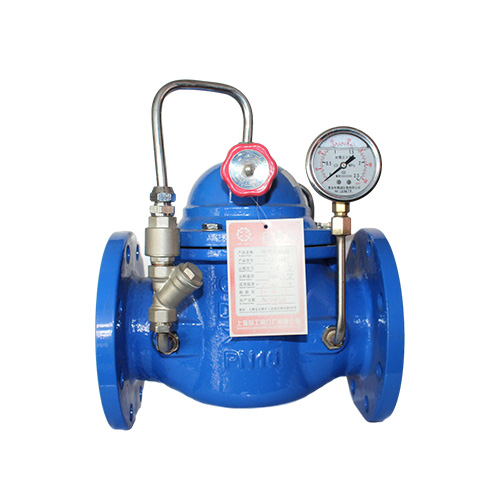
第三,明確流量要求,避免“只報口徑,忽略流量”的誤區。很多采購者僅告知廠家口徑,卻不知真正影響閥門通過能力的是流量和壓差條件,尤其是調節閥、流量閥等特殊類型閥門,若無法提供閥前壓力、閥后壓力及實際流量需求,廠家無法精準計算閥門口徑和CV值(流量系數),即便口徑匹配,也可能出現流量不足、調節精度不夠等問題,影響整個管道系統的運行效率。
Thirdly, clarify the traffic requirements and avoid the misconception of "only reporting the caliber and ignoring the traffic". Many buyers only inform the manufacturer of the diameter, but do not know that the flow rate and pressure difference conditions that truly affect the valve's passing capacity, especially for special types of valves such as regulating valves and flow valves. If they cannot provide the pre valve pressure, post valve pressure, and actual flow requirements, the manufacturer cannot accurately calculate the valve opening diameter and CV value (flow coefficient). Even if the diameter matches, problems such as insufficient flow rate and insufficient adjustment accuracy may occur, affecting the operational efficiency of the entire pipeline system.
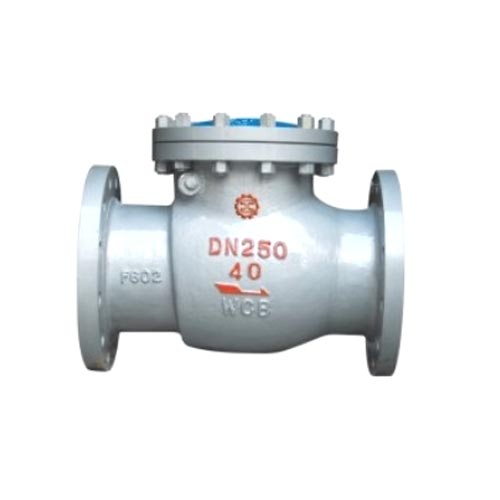
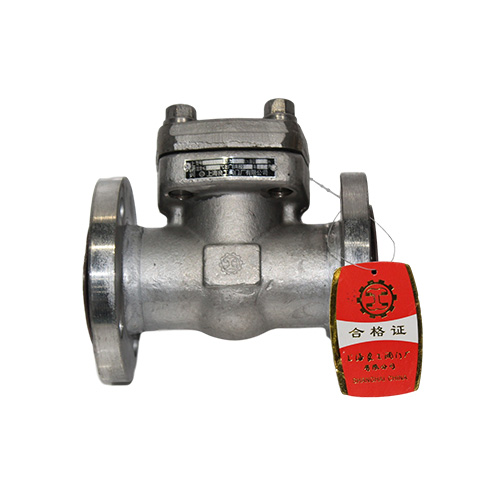
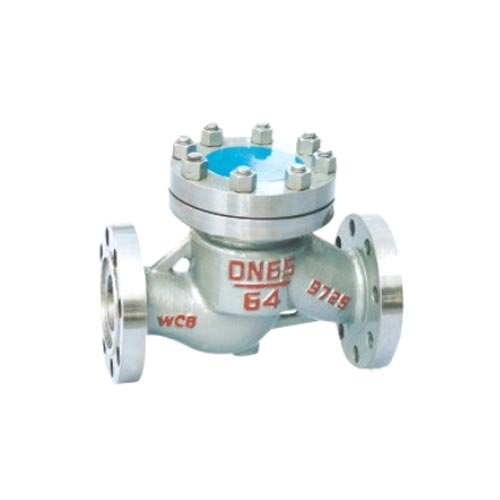
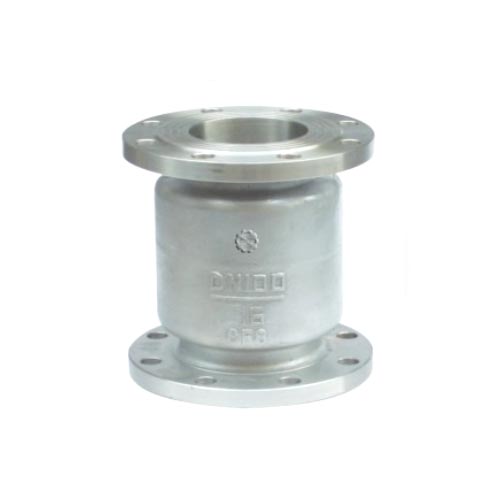
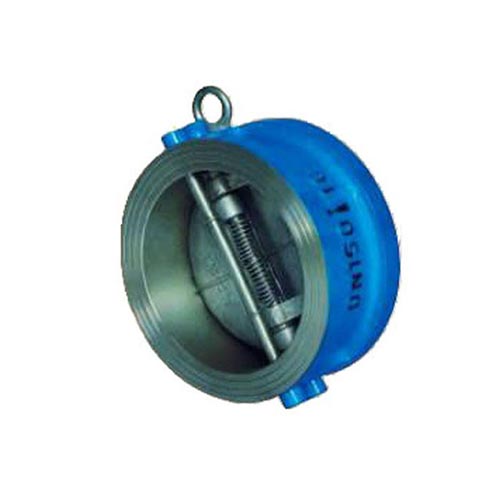
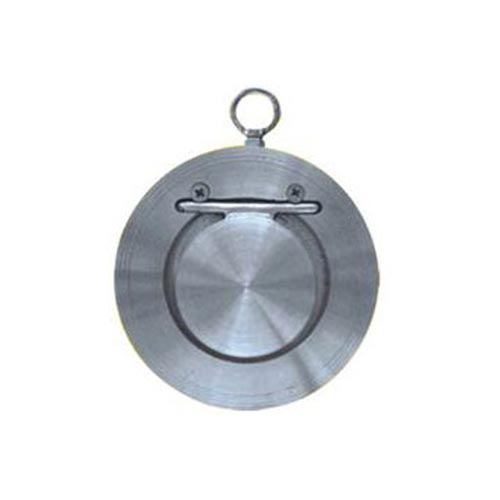
第四,明確閥門的具體用途,匹配對應閥門類型。閥門的用途不同,適用的類型也截然不同——是單純用于開關控制(如閘閥、球閥),還是用于流量調節(如調節閥),或是用于止回、泄壓(如止回閥、安全閥),需提前明確。例如,止回閥用于防止介質倒流,安全閥用于系統超壓泄壓,若用途與閥門類型不匹配,不僅無法實現使用需求,還可能引發安全事故。
Fourthly, clarify the specific purpose of the valve and match it with the corresponding valve type. The types of valves that are suitable for different purposes are also completely different - whether they are simply used for switch control (such as gate valves and ball valves), flow regulation (such as regulating valves), or check and pressure relief (such as check valves and safety valves), it needs to be clarified in advance. For example, check valves are used to prevent medium backflow, and safety valves are used for system overpressure relief. If the purpose does not match the valve type, it may not only fail to meet the usage requirements, but also cause safety accidents.
第五,明確安裝與連接條件,確保閥門順利安裝使用。需告知廠家閥門的連接方式(是法蘭連接、螺紋連接,還是焊接連接)、安裝方式(是水平安裝、豎直安裝,還是傾斜安裝),以及現場安裝空間限制、是否需要自動化配置(如配執行器、定位器)等。例如,現場空間狹小,需選用體積緊湊的閥門;管道無法拆卸,適合選用焊接連接閥門,若未明確這些條件,可能出現閥門無法安裝、安裝后操作不便等問題。
Fifth, clarify the installation and connection conditions to ensure the smooth installation and use of the valve. Please inform the manufacturer of the valve connection method (whether it is flange connection, threaded connection, or welding connection), installation method (whether it is horizontal installation, vertical installation, or inclined installation), as well as on-site installation space limitations and whether automation configuration (such as actuator and locator) is required. For example, if the on-site space is small, compact valves need to be selected; The pipeline cannot be disassembled, and welding connection valves are suitable. If these conditions are not clearly defined, problems such as valve installation and inconvenient operation after installation may occur.
第六,明確特殊需求,適配個性化工況。針對有特殊要求的工況,需額外告知廠家相關參數,如防爆等級(用于易燃易爆場景)、泄露等級(用于密封要求高的場景)、潔凈要求(用于食品、醫藥等行業),以及是否需要帶反饋信號、閥門開關時間是否有特殊限制等。這些特殊需求直接影響閥門的加工工藝和配件配置,若未明確,可能導致閥門無法適配特殊工況,無法通過行業檢測。
Sixth, clarify special needs and adapt to personalized working conditions. For working conditions with special requirements, it is necessary to inform the manufacturer of relevant parameters, such as explosion-proof level (for flammable and explosive scenarios), leakage level (for scenarios with high sealing requirements), cleanliness requirements (for industries such as food and medicine), as well as whether feedback signals are required and whether there are special restrictions on valve opening and closing time. These special requirements directly affect the processing technology and accessory configuration of the valve. If not clearly defined, it may result in the valve being unable to adapt to special working conditions and fail industry testing.
閥門選型的核心原則的是“工況匹配”,采購者對閥門用途、工況參數描述得越詳細,廠家就越能精準推薦合適的閥門型號,避免選型失誤。據行業數據顯示,明確以上6個關鍵信息后,閥門選型準確率可提升95%以上,返工、更換成本可降低80%,既節省采購預算,又能保障管道系統穩定運行。
The core principle of valve selection is "working condition matching". The more detailed the purchaser's description of the valve's purpose and working condition parameters, the more accurately the manufacturer can recommend suitable valve models to avoid selection errors. According to industry data, after clarifying the above six key information, the accuracy of valve selection can be improved by more than 95%, and the cost of rework and replacement can be reduced by 80%. This not only saves procurement budgets but also ensures the stable operation of pipeline systems.
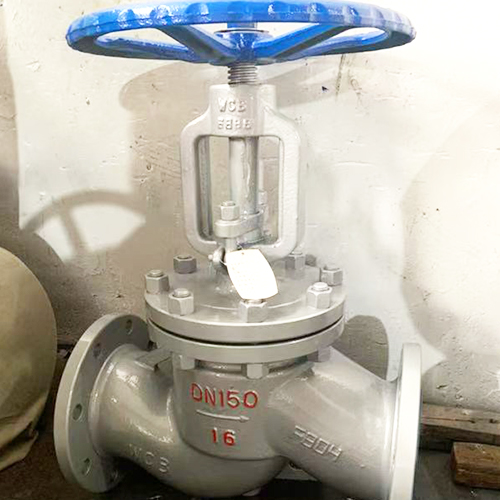
對于采購者而言,避開“只報口徑”的選型誤區,完整告知廠家上述關鍵信息,才能買對閥門、用得省心;對于閥門廠家而言,精準掌握采購者的工況需求,才能提供貼合實際的選型方案,實現供需雙贏。無論是工業采購、工程配套,還是日常維修更換,掌握這些閥門選型關鍵信息,都能有效規避風險,讓閥門發揮最大效用,為管道系統的穩定運行保駕護航。
For buyers, avoiding the selection error of "only reporting the caliber" and fully informing the manufacturer of the above key information is necessary to buy the right valve and use it with ease; For valve manufacturers, accurate understanding of the purchaser's operating requirements is necessary to provide practical selection solutions and achieve a win-win situation between supply and demand. Whether it is industrial procurement, engineering support, or daily maintenance and replacement, mastering the key information of valve selection can effectively avoid risks, maximize the effectiveness of valves, and safeguard the stable operation of pipeline systems.


 企業公告:
企業公告: