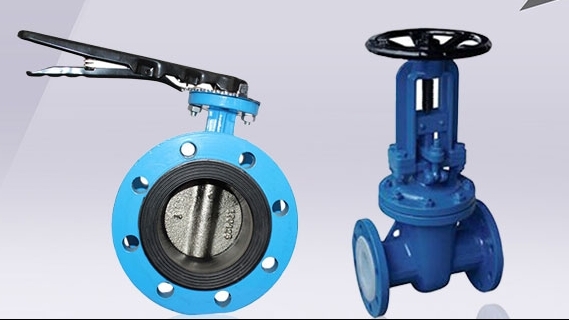
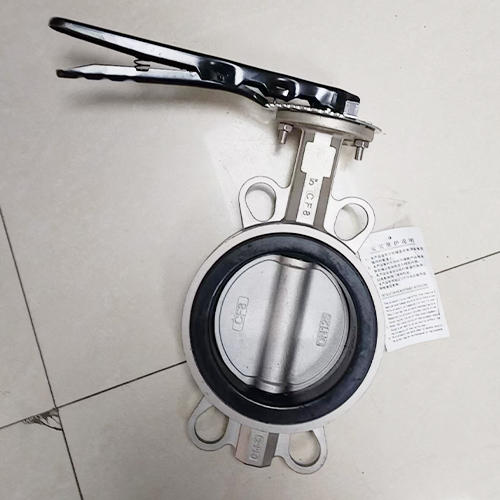
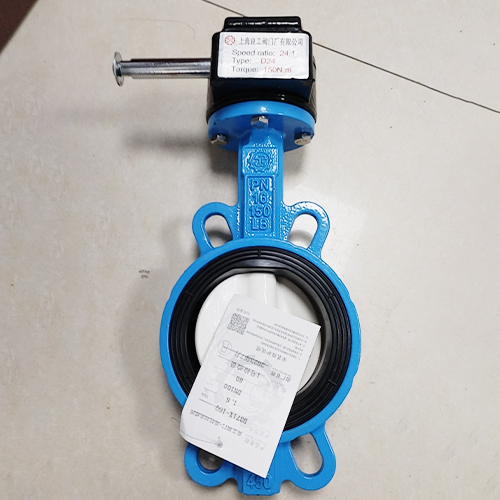
渦輪法蘭蝶閥(又稱渦輪法蘭翻板閥)一般采用三偏心多層次金屬硬密封結構,被頻繁用于介質溫度≤425℃的冶金、電力、石油化工、以及給排水和市政建設等工業管道上,作調節流量和載斷流體使用。該閥采用三偏心結構,閥座與碟板密封面均采用不同硬度和不銹鋼制作,具有良好的耐腐蝕性,使用壽命長。渦輪法蘭蝶閥常用連接方式分為法蘭式渦輪不銹鋼蝶閥與對夾式不銹鋼蝶閥。
Turbine flange butterfly valves (also known as turbine flange flap valves) generally adopt a three eccentric multi-level metal hard seal structure, and are frequently used in industrial pipelines such as metallurgy, power, petrochemicals, water supply and drainage, and municipal construction where the medium temperature is ≤ 425 ℃. They are used as regulating flow and load cutoff bodies. The valve adopts a three eccentric structure, and the valve seat and disc sealing surface are made of different hardness and stainless steel, which has good corrosion resistance and long service life. The commonly used connection methods for turbine flange butterfly valves are flange type turbine stainless steel butterfly valves and clamp type stainless steel butterfly valves.
由于結構特征的限制,不適應耐高溫、高壓及耐腐蝕、抗磨損等行業。現有一種比較先進的蝶閥是三偏心金屬硬密封蝶閥,閥體和閥座為連體構件,閥座密封表面層堆焊耐溫、耐蝕合金材料。多層軟疊式密封圈固定在閥板上,這種蝶閥與傳統蝶閥相比具有耐高溫,操作輕便,啟閉無磨擦,關閉時隨著傳動機構的力矩增大來補償密封,提高了蝶閥的密封性能及延長使用壽命的優點。
Due to structural limitations, it is not suitable for industries that are resistant to high temperatures, high pressures, corrosion, and wear. A relatively advanced butterfly valve is the three eccentric metal hard seal butterfly valve, where the valve body and valve seat are connected components, and the sealing surface layer of the valve seat is welded with heat-resistant and corrosion-resistant alloy materials. The multi-layer soft stacked sealing ring is fixed on the valve plate. Compared with traditional butterfly valves, this butterfly valve has the advantages of high temperature resistance, easy operation, frictionless opening and closing, and compensating for sealing with the increase of torque of the transmission mechanism when closing, which improves the sealing performance and extends the service life of the butterfly valve.
正流狀態時,介質壓力越高密封擠壓越緊。當流道介質逆流時隨著介質壓力的增大閥板與閥座之間的單位正壓力小于介質壓強時,密封開始泄漏。 高性能三偏心雙向硬密封蝶閥, 其特征在于:所述閥座密封圈由軟性T形密封環兩側多層不銹鋼片組成。 閥板與閥座的密封面為斜圓錐結構,在閥板斜圓錐表面堆焊耐溫、耐蝕合金材料;固定在調節環壓板之間的彈簧與壓板上調節螺栓裝配一起的結構。這種結構有效地補償了軸套與閥體之間的公差帶及閥桿在介質壓力下的彈性變形,解決了閥門在雙向互換的介質輸送過程中存在的密封問題。 采用軟性T型兩側多層不銹鋼片組成密封圈,具有金屬硬密封和軟密封的雙重優點,無論在低溫和高溫情況下,均具有零滲漏的密封性能。
In the positive flow state, the higher the medium pressure, the tighter the sealing compression. When the medium in the flow channel flows backwards and the unit positive pressure between the valve plate and the valve seat is less than the medium pressure as the medium pressure increases, the seal begins to leak. The high-performance tri eccentric bi-directional hard sealed butterfly valve is characterized in that the valve seat sealing ring is composed of multiple layers of stainless steel sheets on both sides of a soft T-shaped sealing ring. The sealing surface between the valve plate and the valve seat is a slanted cone structure, and a heat-resistant and corrosion-resistant alloy material is welded on the slanted cone surface of the valve plate; The structure in which the spring fixed between the adjusting ring pressure plate and the adjusting bolt on the pressure plate are assembled together. This structure effectively compensates for the tolerance zone between the shaft sleeve and the valve body, as well as the elastic deformation of the valve stem under medium pressure, solving the sealing problem of the valve in the bi-directional exchange of medium transportation process. The sealing ring is composed of multiple layers of stainless steel sheets on both sides of a soft T-shaped structure, which has the dual advantages of metal hard sealing and soft sealing. It has zero leakage sealing performance in both low and high temperature conditions.
正流狀態時,密封面的壓力是傳動裝置的力矩和介質壓力對閥板的作用產生的。正向介質壓力增大時閥板斜圓錐表面與閥座密封面擠壓越緊,密封效果越好。 當逆流狀態時,閥板與閥座之間的密封靠驅動裝置的力矩使閥板壓向閥座。隨著反向介質壓力的增大,閥板與閥座之間的單位正壓力小于介質壓強時,調節環的彈簧在受載后所儲存的變形能補償閥板與閥座密封面的緊壓力起到自動補償作用。 因此本實用新型不像現有的技術那樣,在閥板上安裝軟硬多層密封圈,而是直接安裝在閥體上,在壓板和閥座中間增設調節環是十分理想的雙向硬密封方式。 渦輪法蘭蝶閥(又稱渦輪法蘭翻板閥)一般采用三偏心多層次金屬硬密封結構,被頻繁用于介質溫度≤425℃的冶金、電力、石油化工、以及給排水和市政建設等工業管道上,作調節流量和載斷流體使用。該閥采用三偏心結構,閥座與碟板密封面均采用不同硬度和不銹鋼制作,具有良好的耐腐蝕性,使用壽命長。渦輪法蘭蝶閥常用連接方式分為法蘭式渦輪不銹鋼蝶閥與對夾式不銹鋼蝶閥。
When in a positive flow state, the pressure on the sealing surface is generated by the torque of the transmission device and the pressure of the medium acting on the valve plate. The tighter the compression between the inclined conical surface of the valve plate and the sealing surface of the valve seat when the positive medium pressure increases, the better the sealing effect. When in reverse flow state, the seal between the valve plate and the valve seat is pressed against the valve seat by the torque of the driving device. As the reverse medium pressure increases, when the unit positive pressure between the valve plate and the valve seat is less than the medium pressure, the deformation energy stored by the spring of the regulating ring after being loaded compensates for the tight pressure on the sealing surface between the valve plate and the valve seat, playing an automatic compensation role. Therefore, unlike existing technologies that install soft and hard multi-layer sealing rings on the valve plate, this utility model directly installs them on the valve body, and adding an adjusting ring between the pressure plate and the valve seat is an ideal bidirectional hard sealing method. Turbine flange butterfly valves (also known as turbine flange flap valves) generally adopt a three eccentric multi-level metal hard seal structure, and are frequently used in industrial pipelines such as metallurgy, power, petrochemicals, water supply and drainage, and municipal construction where the medium temperature is ≤ 425 ℃. They are used as regulating flow and load cutoff bodies. The valve adopts a three eccentric structure, and the valve seat and disc sealing surface are made of different hardness and stainless steel, which has good corrosion resistance and long service life. The commonly used connection methods for turbine flange butterfly valves are flange type turbine stainless steel butterfly valves and clamp type stainless steel butterfly valves.
由于結構特征的限制,不適應耐高溫、高壓及耐腐蝕、抗磨損等行業。現有一種比較先進的蝶閥是三偏心金屬硬密封蝶閥,閥體和閥座為連體構件,閥座密封表面層堆焊耐溫、耐蝕合金材料。多層軟疊式密封圈固定在閥板上,這種蝶閥與傳統蝶閥相比具有耐高溫,操作輕便,啟閉無磨擦,關閉時隨著傳動機構的力矩增大來補償密封,提高了蝶閥的密封性能及延長使用壽命的優點。
Due to structural limitations, it is not suitable for industries that are resistant to high temperatures, high pressures, corrosion, and wear. A relatively advanced butterfly valve is the three eccentric metal hard seal butterfly valve, where the valve body and valve seat are connected components, and the sealing surface layer of the valve seat is welded with heat-resistant and corrosion-resistant alloy materials. The multi-layer soft stacked sealing ring is fixed on the valve plate. Compared with traditional butterfly valves, this butterfly valve has the advantages of high temperature resistance, easy operation, frictionless opening and closing, and compensating for sealing with the increase of torque of the transmission mechanism when closing, which improves the sealing performance and extends the service life of the butterfly valve.
正流狀態時,介質壓力越高密封擠壓越緊。當流道介質逆流時隨著介質壓力的增大閥板與閥座之間的單位正壓力小于介質壓強時,密封開始泄漏。 高性能三偏心雙向硬密封蝶閥, 其特征在于:所述閥座密封圈由軟性T形密封環兩側多層不銹鋼片組成。 閥板與閥座的密封面為斜圓錐結構,在閥板斜圓錐表面堆焊耐溫、耐蝕合金材料;固定在調節環壓板之間的彈簧與壓板上調節螺栓裝配一起的結構。這種結構有效地補償了軸套與閥體之間的公差帶及閥桿在介質壓力下的彈性變形,解決了閥門在雙向互換的介質輸送過程中存在的密封問題。 采用軟性T型兩側多層不銹鋼片組成密封圈,具有金屬硬密封和軟密封的雙重優點,無論在低溫和高溫情況下,均具有零滲漏的密封性能。正流狀態時,密封面的壓力是傳動裝置的力矩和介質壓力對閥板的作用產生的。正向介質壓力增大時閥板斜圓錐表面與閥座密封面擠壓越緊,密封效果越好。 當逆流狀態時,閥板與閥座之間的密封靠驅動裝置的力矩使閥板壓向閥座。隨著反向介質壓力的增大,閥板與閥座之間的單位正壓力小于介質壓強時,調節環的彈簧在受載后所儲存的變形能補償閥板與閥座密封面的緊壓力起到自動補償作用。 因此本實用新型不像現有的技術那樣,在閥板上安裝軟硬多層密封圈,而是直接安裝在閥體上,在壓板和閥座中間增設調節環是十分理想的雙向硬密封方式。
In the positive flow state, the higher the medium pressure, the tighter the sealing compression. When the medium in the flow channel flows backwards and the unit positive pressure between the valve plate and the valve seat is less than the medium pressure as the medium pressure increases, the seal begins to leak. The high-performance tri eccentric bi-directional hard sealed butterfly valve is characterized in that the valve seat sealing ring is composed of multiple layers of stainless steel sheets on both sides of a soft T-shaped sealing ring. The sealing surface between the valve plate and the valve seat is a slanted cone structure, and a heat-resistant and corrosion-resistant alloy material is welded on the slanted cone surface of the valve plate; The structure in which the spring fixed between the adjusting ring pressure plate and the adjusting bolt on the pressure plate are assembled together. This structure effectively compensates for the tolerance zone between the shaft sleeve and the valve body, as well as the elastic deformation of the valve stem under medium pressure, solving the sealing problem of the valve in the bi-directional exchange of medium transportation process. The sealing ring is composed of multiple layers of stainless steel sheets on both sides of a soft T-shaped structure, which has the dual advantages of metal hard sealing and soft sealing. It has zero leakage sealing performance in both low and high temperature conditions. When in a positive flow state, the pressure on the sealing surface is generated by the torque of the transmission device and the pressure of the medium acting on the valve plate. The tighter the compression between the inclined conical surface of the valve plate and the sealing surface of the valve seat when the positive medium pressure increases, the better the sealing effect. When in reverse flow state, the seal between the valve plate and the valve seat is pressed against the valve seat by the torque of the driving device. As the reverse medium pressure increases, when the unit positive pressure between the valve plate and the valve seat is less than the medium pressure, the deformation energy stored by the spring of the regulating ring after being loaded compensates for the tight pressure on the sealing surface between the valve plate and the valve seat, playing an automatic compensation role. Therefore, unlike existing technologies that install soft and hard multi-layer sealing rings on the valve plate, this utility model directly installs them on the valve body, and adding an adjusting ring between the pressure plate and the valve seat is an ideal bidirectional hard sealing method.


 企業公告:
企業公告: