警惕!液壓系統減壓閥噪音擾民?良工閥門拆解3大核心原因,精準降噪不踩坑
be vigilant! Does the noise from the pressure reducing valve in the hydraulic system disturb the public? 3 core reasons for dismantling Lianggong valves: precise noise reduction without stepping on pits
減壓閥作為液壓系統的核心控制部件,廣泛應用于石化、電力、冶金、新能源等工業場景,其運行穩定性直接決定整個液壓系統的工作效率與設備壽命。據工業設備運維數據顯示,68%的液壓系統故障與減壓閥異常相關,其中噪音問題占比達45%,不僅影響現場作業環境,長期忽視還會導致減壓閥零部件磨損、密封失效,增加設備維修成本,甚至影響整條生產線的連續運行。作為深耕閥門制造領域的專業品牌,良工閥門憑借多年技術積淀,精準拆解液壓系統減壓閥噪音的3大核心原因,結合自身產品設計優勢,為工業企業提供科學降噪解決方案,助力企業降低運維成本。
As the core control component of hydraulic systems, pressure reducing valves are widely used in industrial scenarios such as petrochemicals, electricity, metallurgy, and new energy. Their operational stability directly determines the working efficiency and equipment life of the entire hydraulic system. According to industrial equipment maintenance data, 68% of hydraulic system failures are related to abnormal pressure reducing valves, with noise accounting for 45%. This not only affects the on-site working environment, but long-term neglect can also lead to wear and tear of pressure reducing valve components, seal failure, increased equipment maintenance costs, and even affect the continuous operation of the entire production line. As a professional brand deeply rooted in the field of valve manufacturing, Lianggong Valve, with years of technical accumulation, accurately disassembles the three core causes of hydraulic system pressure reducing valve noise, and combines its own product design advantages to provide scientific noise reduction solutions for industrial enterprises, helping them reduce operation and maintenance costs.
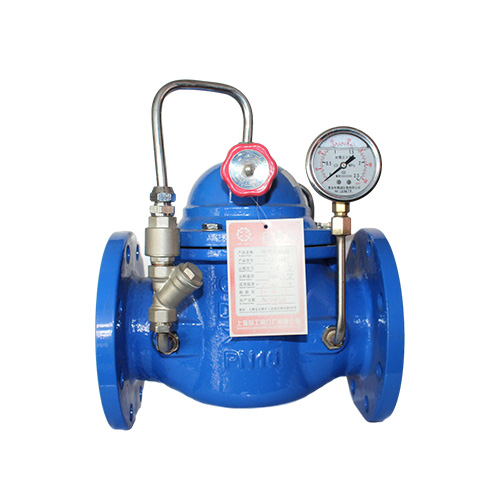
良工閥門深耕自控閥門制造領域,擁有完善的研發、生產與檢測體系,通過ISO9001國際質量體系認證,其生產的減壓閥涵蓋比例式、氣動薄膜式等多種類型,憑借優化的結構設計、精湛的加工工藝,有效降低運行噪音,適配不同工業液壓場景,其中良工柱塞式單座減壓閥通過流道優化設計,可將運行噪音控制在75分貝以下,遠超行業平均標準。結合工業實操經驗,液壓系統減壓閥產生的噪音,主要可分為機械振動噪音、流體動力學噪音、空氣動力學噪音三大類,每類噪音的產生原因與應對方式各有不同。
Lianggong Valve is deeply engaged in the field of automatic control valve manufacturing, with a complete research and development, production, and testing system. It has passed ISO9001 international quality system certification. Its pressure reducing valves cover various types such as proportional type and pneumatic diaphragm type. With optimized structural design and exquisite processing technology, it effectively reduces operating noise and adapts to different industrial hydraulic scenarios. Among them, Lianggong's plunger type single seat pressure reducing valve can control operating noise below 75 decibels through optimized flow channel design, far exceeding the industry average standard. Based on practical industrial experience, the noise generated by hydraulic system pressure reducing valves can be mainly divided into three categories: mechanical vibration noise, fluid dynamics noise, and aerodynamic noise. The causes and response methods of each type of noise are different.
第一類是機械振動噪音,也是液壓系統減壓閥最常見的噪音類型,多由零部件振動或共振引發。這類噪音又分為低頻與高頻兩種,低頻振動源于介質射流、脈動,主要因閥出口流速過快、管路布置不合理、閥門活動零件剛性不足導致;高頻振動則是閥門自然頻率與介質流動激勵頻率一致時引發的共振,與介質流速無關,核心源于減壓閥自身設計不合理、加工精度不足。良工閥門在減壓閥設計中,合理優化襯套與閥桿間隙,提升機械加工精度,選用高強度剛性材料,有效規避共振風險,從源頭減少機械振動噪音。
The first type is mechanical vibration noise, which is also the most common type of noise in hydraulic system pressure reducing valves, often caused by component vibration or resonance. This type of noise is divided into two types: low frequency and high frequency. Low frequency vibration is caused by medium jet and pulsation, mainly due to excessive flow velocity at the valve outlet, unreasonable pipeline layout, and insufficient rigidity of valve moving parts; High frequency vibration is the resonance caused when the natural frequency of the valve is consistent with the excitation frequency of the medium flow, and is independent of the medium flow rate. The core source is the unreasonable design and insufficient machining accuracy of the pressure reducing valve itself. In the design of pressure reducing valves, Lianggong Valve optimizes the clearance between the liner and the valve stem reasonably, improves the machining accuracy, selects high-strength rigid materials, effectively avoids resonance risks, and reduces mechanical vibration noise from the source.
第二類是流體動力學噪音,由流體通過減壓口后的紊流、渦流產生,核心分為紊流噪音與汽蝕噪音。紊流噪音頻率、噪音級較低,一般不會造成明顯困擾;而汽蝕噪音危害較大,當減壓過程中流體流速達到臨界值,液體發生汽化形成氣泡,氣泡破裂時會產生196MPa的瞬間沖擊壓力,形成強烈沖擊波,既產生噪音,還會損壞閥體內件。良工閥門在減壓閥設計中,嚴格控制減壓值在臨界值以下,優化閥瓣流體流向,采用多級節流降壓結構,有效抑制汽蝕現象,降低流體動力學噪音。
The second type is fluid dynamics noise, which is generated by turbulence and eddies after the fluid passes through the pressure reducing port. The core is divided into turbulence noise and cavitation noise. Turbulent noise has a low frequency and noise level, and generally does not cause significant distress; However, cavitation noise poses a greater threat. When the fluid flow rate reaches a critical value during the depressurization process, the liquid vaporizes and forms bubbles. When the bubbles burst, an instantaneous impact pressure of 196MPa is generated, forming a strong shock wave that not only produces noise but also damages the internal components of the valve body. In the design of pressure reducing valves, Lianggong Valve strictly controls the pressure reduction value below the critical value, optimizes the fluid flow direction of the valve disc, and adopts a multi-stage throttling pressure reduction structure to effectively suppress cavitation and reduce fluid dynamics noise.
第三類是空氣動力學噪音,多發生在蒸汽等可壓縮性流體場景,占減壓閥噪音總量的60%以上,處理難度最大。其產生主要源于兩種情況,一是流體紊流作用,二是流體達到臨界流速引發的激波,這類噪音無法完全消除,但可通過科學設計大幅降低。良工閥門針對蒸汽場景優化減壓閥流道結構,采用曲線型多孔鐘罩設計,避免流體直接沖擊閥體內表面,有效削弱空氣動力學噪音,保障設備平穩運行。
The third type is aerodynamic noise, which mostly occurs in compressible fluid scenarios such as steam, accounting for more than 60% of the total noise of pressure reducing valves, and is the most difficult to handle. Its generation mainly stems from two situations: fluid turbulence and shock waves caused by the fluid reaching the critical flow velocity. These types of noise cannot be completely eliminated, but can be significantly reduced through scientific design. Lianggong Valve optimizes the flow channel structure of the pressure reducing valve for steam scenarios, using a curved porous bell cover design to avoid direct fluid impact on the surface of the valve body, effectively reducing aerodynamic noise and ensuring smooth operation of the equipment.
綜上,液壓系統減壓閥噪音的產生,根本原因在于產品設計與制造工藝的合理性。良工閥門始終聚焦工業閥門痛點,通過優化結構設計、提升加工精度、選用優質材料,從源頭降低各類噪音產生的可能,其生產的減壓閥不僅噪音低,還具備運行平穩、使用壽命長、適配性廣等優勢,可廣泛應用于各類工業液壓系統。
In summary, the fundamental reason for the noise generated by the pressure reducing valve in hydraulic systems lies in the rationality of product design and manufacturing processes. Lianggong Valve always focuses on the pain points of industrial valves. By optimizing structural design, improving processing accuracy, and selecting high-quality materials, it reduces the possibility of various types of noise from the source. The pressure reducing valves produced by Lianggong Valve not only have low noise, but also have advantages such as smooth operation, long service life, and wide adaptability, which can be widely used in various industrial hydraulic systems.
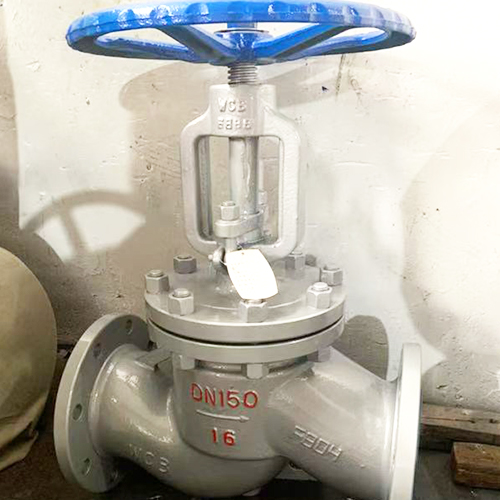
對于工業企業而言,減壓閥噪音不僅影響作業環境,還會縮短設備壽命、增加運維成本。良工閥門憑借專業的技術實力與豐富的實操經驗,不僅拆解噪音核心原因,更能提供適配的降噪解決方案,助力企業解決減壓閥噪音難題,提升液壓系統運行穩定性,降低運維成本,為工業生產保駕護航。
For industrial enterprises, the noise from pressure reducing valves not only affects the working environment, but also shortens equipment life and increases maintenance costs. Lianggong Valve, with its professional technical strength and rich practical experience, not only disassembles the core causes of noise, but also provides suitable noise reduction solutions to help enterprises solve the problem of pressure reducing valve noise, improve the stability of hydraulic system operation, reduce operation and maintenance costs, and safeguard industrial production.
本文由 良工閥門 友情奉獻.更多有關的知識請點擊 http://m.oldercn.com/ 真誠的態度.為您提供為全面的服務.更多有關的知識我們將會陸續向大家奉獻.敬請期待.
This article is a friendly contribution from Lianggong Valve For more related knowledge, please click http://m.oldercn.com/ Sincere attitude To provide you with comprehensive services We will gradually contribute more relevant knowledge to everyone Coming soon.


 企業公告:
企業公告: